


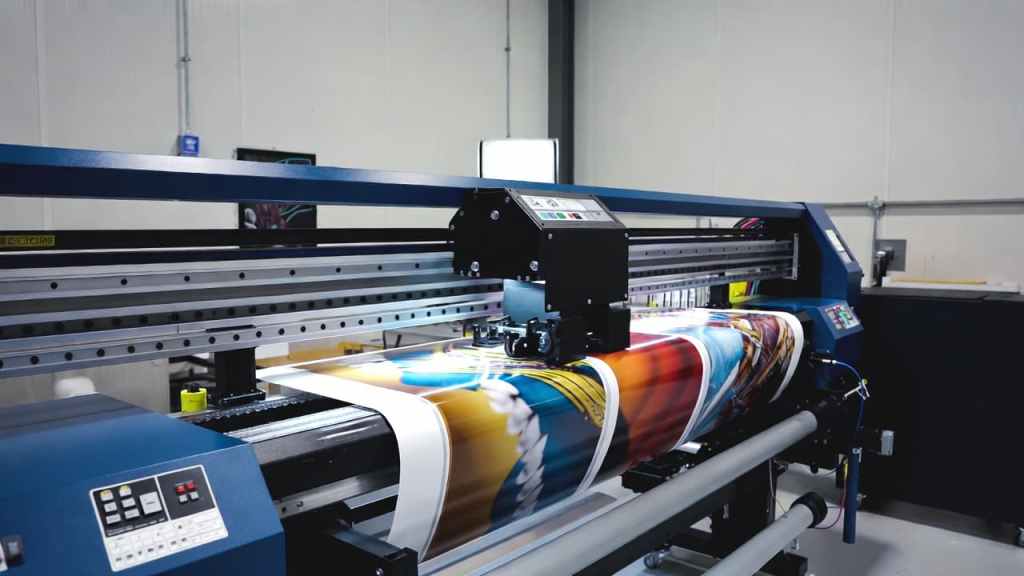
In today’s competitive print industry, profit margins are tight, customer expectations are high, and turnaround times are shorter than ever. Businesses are constantly searching for smarter ways to increase productivity while controlling costs. One of the most powerful solutions available today is the hybrid UV printer.
A hybrid UV printer combines the strengths of flatbed and roll-to-roll printing in a single machine. This advanced technology allows print businesses to handle a wide variety of materials and applications without switching equipment. The result? Greater efficiency, higher output quality, reduced waste, and ultimately, a stronger return on investment (ROI).
If you are looking to scale your printing business, diversify your services, or increase profitability, this comprehensive guide will explain how hybrid UV printing can transform your operations and maximize your ROI.
What Is a Hybrid UV Printer?
A hybrid UV printer is a versatile printing system that uses ultraviolet (UV) light to instantly cure ink during the printing process. Unlike traditional solvent or water-based printers that rely on air drying or heat evaporation, UV printing hardens the ink immediately when exposed to UV light.
The term “hybrid” refers to its dual functionality:
- It can print on rigid substrates (like a flatbed printer).
- It can also print on flexible roll materials (like a roll-to-roll printer).
This dual capability makes it one of the most adaptable printing technologies available today.
How UV Printing Technology Works

Understanding how UV printing works helps explain why it delivers such strong ROI benefits.
- UV-curable ink is applied to the surface of the material.
- UV lamps immediately expose the ink to ultraviolet light.
- The ink cures (hardens) instantly through a photochemical reaction.
- The printed material is ready for handling or finishing right away.
Because the ink does not need time to dry or evaporate, production speeds increase significantly. There is no smudging, minimal waiting, and reduced material waste.
Why ROI Matters in the Printing Industry
Return on investment is more than just a financial metric. It reflects how effectively your equipment contributes to:
- Increased revenue
- Reduced operational costs
- Higher production efficiency
- Customer satisfaction
- Business growth
A hybrid UV printer impacts all of these factors, making it a strategic asset rather than just another machine.
Key Benefits of Hybrid UV Printing
1. Exceptional Versatility Across Materials

One of the biggest advantages of a hybrid UV printer is its ability to print on a wide range of substrates without changing equipment.
You can print on:
- Rigid materials: wood, glass, acrylic, metal, PVC boards
- Flexible materials: vinyl, banners, canvas, wallpaper
- Specialty items: promotional products, packaging materials, signage panels
This flexibility allows print businesses to expand service offerings and target new markets without investing in multiple machines.
More services mean more revenue opportunities.
2. Superior Print Quality
In the print business, quality drives repeat customers. Hybrid UV printers deliver:
- Sharp image clarity
- High-resolution detail
- Vibrant and accurate colors
- Smooth gradients
- Durable finishes
UV inks sit on top of the material rather than soaking in, resulting in rich color reproduction and excellent opacity. This is especially valuable when printing on dark or transparent substrates.
The durability of UV-cured prints also means better resistance to scratching, fading, and weather exposure — ideal for outdoor signage and long-term applications.
3. Faster Turnaround Time

Time is money in commercial printing.
Since UV ink cures instantly, there is no waiting for drying. This allows:
- Immediate handling and finishing
- Faster production cycles
- Higher daily output
- Reduced bottlenecks
Shorter turnaround times improve customer satisfaction and allow businesses to accept urgent orders — often at premium pricing.
Over time, this speed advantage significantly boosts ROI.
4. Reduced Production Costs
Hybrid UV printers help reduce costs in multiple ways:
- Lower ink consumption through precise drop control
- Minimal material waste
- No need for lamination in many cases
- Fewer reprints due to smudging or drying issues
- Reduced labor time
Traditional printing methods often involve complex setups for small runs. With hybrid UV printing, short runs become cost-effective, opening doors to personalized and custom print jobs.
Lower operating costs directly improve profit margins.
5. Eco-Friendly Printing Solution
Sustainability is increasingly important for businesses and customers alike.
UV printing is considered environmentally friendly because:
- UV inks emit very low volatile organic compounds (VOCs)
- There is no solvent evaporation
- Reduced waste compared to traditional printing
- Energy-efficient curing systems
Promoting eco-conscious printing practices can enhance your brand reputation and attract environmentally aware clients.
Core Features That Drive Performance
Dual Roll and Flatbed Capability
Hybrid UV printers function as both:
- Flatbed printers for rigid boards
- Roll printers for flexible media
This eliminates the need to purchase two separate machines. You save:
- Capital investment
- Floor space
- Maintenance costs
- Training time
Operational efficiency increases dramatically.
Variable Ink Drop Technology
Advanced hybrid UV printers use variable drop technology to control ink placement precisely.
Benefits include:
- Smoother gradients
- Improved detail in small text
- Reduced ink consumption
- Enhanced image depth
This technology ensures high-quality output while keeping operational costs under control.
Multi-Layer Printing

Hybrid UV printers can print in multiple layers, enabling:
- White ink underlays
- Spot varnish effects
- Textured finishes
- 3D-style raised prints
These premium effects allow businesses to offer high-value products such as luxury packaging, decorative panels, and specialty signage.
Premium services mean higher pricing power.
User-Friendly Software Integration
Modern hybrid UV printers come with intuitive RIP software and workflow management systems that:
- Simplify job setup
- Reduce human errors
- Optimize color management
- Improve production planning
Less training time and fewer operational mistakes result in higher efficiency and better ROI.
Industries That Benefit Most from Hybrid UV Printing
Hybrid UV printers are ideal for businesses serving:
- Signage and advertising
- Interior décor and wall graphics
- Retail branding
- Packaging prototypes
- Promotional product manufacturing
- Industrial printing applications
The ability to print on diverse materials makes hybrid UV printers suitable for both B2B and B2C markets.
Expanding Revenue Streams with Hybrid UV Printing
A hybrid UV printer allows you to diversify your product portfolio.
You can offer:
- Custom signage
- Personalized décor panels
- Short-run packaging samples
- Branded promotional merchandise
- Window graphics
- Exhibition displays
By entering multiple market segments, your business becomes less dependent on a single revenue stream.
Diversification reduces risk and strengthens long-term profitability.
Cost Comparison: Traditional vs Hybrid UV Printing
Traditional printing methods often require:
- Separate machines for rigid and flexible media
- Longer drying times
- Additional finishing processes
- Higher labor involvement
Hybrid UV printing consolidates these processes into one streamlined workflow.
While the initial investment may seem significant, the long-term savings in time, labor, and materials typically result in faster payback periods.
Steps to Successfully Implement a Hybrid UV Printer
1. Assess Your Current Production Needs
Evaluate:
- Most common job types
- Substrate demand
- Production volume
- Client expectations
Understanding your workflow helps you choose the right printer model.
2. Plan Your Budget Strategically
Consider:
- Machine cost
- Installation
- Ink and consumables
- Maintenance
- Staff training
Look at long-term value rather than just upfront cost.
3. Train Your Team Properly
Investing in proper training ensures:
- Optimal print quality
- Reduced errors
- Efficient workflow
- Longer machine lifespan
Skilled operators maximize machine potential.
4. Start with Test Projects
Before full-scale production:
- Run sample prints
- Test different substrates
- Fine-tune color settings
- Optimize workflow processes
Testing helps avoid costly mistakes.
5. Monitor ROI Regularly
Track:
- Monthly production volume
- Ink usage
- Job turnaround time
- Revenue growth
- Customer retention rate
Consistent performance analysis ensures your investment delivers expected returns.
Common Challenges and How to Overcome Them
Initial Investment Concerns
Solution: Focus on long-term profitability and market expansion opportunities.
Learning Curve
Solution: Choose user-friendly systems and provide comprehensive training.
Maintenance Requirements
Solution: Follow manufacturer maintenance guidelines and schedule preventive servicing.
Proper management ensures smooth operations and sustained ROI.
Future Trends in Hybrid UV Printing
The printing industry continues to evolve with advancements such as:
- Faster curing LED UV systems
- Improved eco-friendly ink formulations
- Automation integration
- AI-based workflow optimization
- Enhanced color management systems
Investing in hybrid UV technology positions your business for future growth and innovation.
Why Hybrid UV Printing Is a Long-Term Growth Strategy
Hybrid UV printing is not just about improving print quality — it is about transforming your business model.
It enables:
- Operational flexibility
- Faster service delivery
- High-margin product offerings
- Sustainable production practices
- Competitive differentiation
In a crowded marketplace, differentiation is essential. A hybrid UV printer helps you stand out through quality, speed, and versatility. Explore our high-quality hybrid UV printers here
Frequently Asked Questions (FAQ)
What is a hybrid UV printer?
A hybrid UV printer is a printing system that can print on both rigid and flexible materials using UV-curable inks that dry instantly under ultraviolet light.
How does a hybrid UV printer increase ROI?
It increases ROI by improving production speed, reducing waste, lowering operational costs, expanding service offerings, and delivering high-quality output that attracts repeat customers.
What materials can be printed on?
You can print on wood, metal, glass, acrylic, PVC, vinyl, banners, fabric, and many other substrates.
Is UV printing environmentally friendly?
Yes, UV printing typically uses low-VOC inks and produces less waste compared to traditional solvent-based printing systems.
Is a hybrid UV printer suitable for small businesses?
Yes. While the initial investment can be higher, the ability to handle diverse projects makes it highly profitable even for growing print businesses.
Final Thoughts
Maximizing ROI in the printing industry requires smart investments, operational efficiency, and the ability to adapt to changing market demands. A hybrid UV printer delivers on all fronts.
From unmatched versatility and superior print quality to faster turnaround times and cost savings, this technology empowers businesses to increase profitability while expanding service offerings.
If you want to future-proof your print business, reduce production limitations, and unlock new revenue opportunities, investing in a hybrid UV printer could be one of the most strategic decisions you make.
Now is the time to elevate your printing capabilities and build a more profitable, scalable, and competitive print operation.
Recommended MTuTech Resources
Use these related pages to compare equipment choices and continue researching the right production setup.
- Hybrid uv printer – compare machine options, applications, and production fit.
- UV printer – compare machine options, applications, and production fit.
- Single pass printer – compare machine options, applications, and production fit.
- Visual Positioning UV Printer – compare machine options, applications, and production fit.
- Hybrid UV Printer articles – read more guides in this topic cluster.
- MTuTech Blog – browse more UV, DTF, textile, and production workflow resources.