


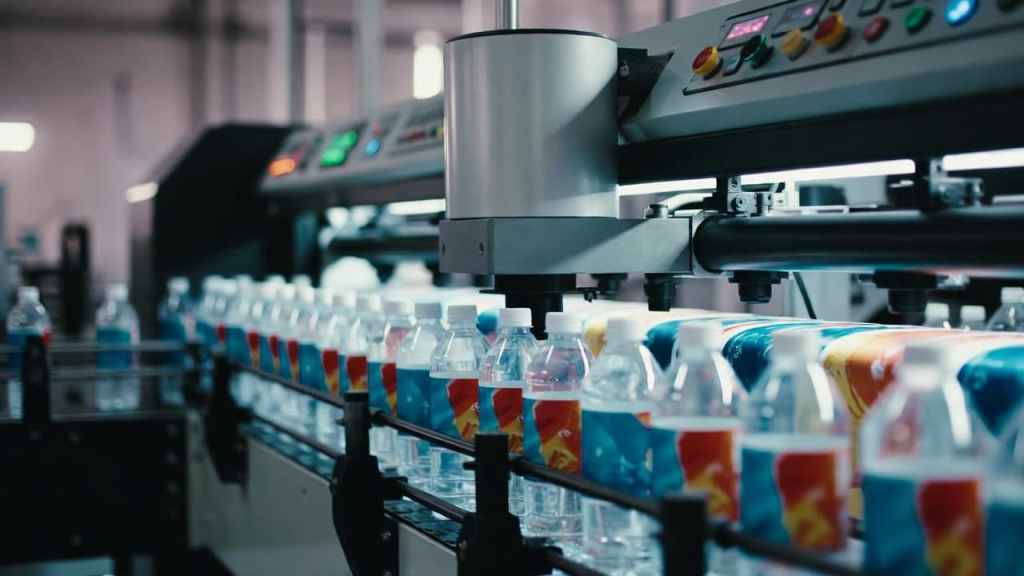
In a competitive marketplace where packaging often influences buying decisions, print quality is no longer just a decorative feature—it is a strategic asset. Whether it’s a beverage bottle, cosmetic container, industrial pipe, or promotional tumbler, the durability of printed graphics on cylindrical surfaces directly impacts brand perception, product longevity, and customer satisfaction.
When prints fade, scratch, peel, or react to environmental exposure, the brand image suffers. On the other hand, long-lasting, vibrant printing reinforces professionalism and reliability. That’s why maximizing print durability on cylindrical objects has become a top priority for manufacturers, packaging companies, and brand owners alike.
This comprehensive guide explores how to improve print durability on cylindrical materials through smart material selection, advanced printing technologies, specialized inks, protective coatings, and effective post-processing techniques. If your goal is to create resilient, high-quality prints that stand the test of time, this article will walk you through every essential factor.
What Is Print Durability?
Print durability refers to a printed design’s ability to resist wear, fading, scratching, chemical exposure, moisture, and environmental damage throughout a product’s lifecycle.
Unlike flat-surface printing, cylindrical printing introduces additional challenges:
- Curved surface dynamics
- Uneven pressure distribution
- Continuous handling and rotation
- Exposure to varying storage conditions
To achieve durable results, manufacturers must consider multiple technical variables simultaneously.
Why Print Durability Matters for Cylindrical Products
1. Brand Protection
Packaging is often the first physical interaction a customer has with a product. If the label scratches or fades quickly, it signals poor quality—even if the product inside is excellent.
2. Regulatory Compliance
In industries like pharmaceuticals, chemicals, and food packaging, printed information must remain legible for safety and compliance reasons.
3. Environmental Exposure
Cylindrical products are commonly used in environments involving:
- Refrigeration
- Sunlight exposure
- High humidity
- Chemical handling
- Outdoor storage
Durability ensures the print survives these conditions without degradation.
4. Customer Experience
Premium packaging enhances perceived value. Durable print maintains that premium look throughout the product’s life.
Key Factors That Influence Print Durability
Several interconnected factors determine how long a print will last on cylindrical objects.
Material Type (Substrate)
The base material directly affects ink adhesion and long-term performance.
Surface Condition
Cleanliness, smoothness, and surface energy influence bonding strength.
Printing Technology
Different methods deposit ink differently, affecting thickness, bonding, and resistance.
Ink Composition
Chemical structure determines flexibility, resistance, and curing compatibility.
Post-Processing Treatments
Curing, coating, and finishing steps significantly extend print lifespan.
Choosing the Right Material for Cylindrical Printing
Selecting the appropriate substrate is the foundation of durable cylindrical printing.
Plastic
Common in bottles, containers, and packaging applications.
Advantages:
- Lightweight
- Versatile
- Available in various chemical resistance grades
Considerations:
- Surface energy may require treatment
- Some plastics resist ink adhesion without pre-treatment
- Thermal sensitivity varies by type
High-density polyethylene (HDPE) and polypropylene (PP) often require surface treatment to improve ink bonding.
Metal
Used widely in beverage cans, aerosol containers, and industrial pipes.
Advantages:
- Strong and rigid
- High durability
- Excellent for long-term use
Considerations:
- Requires corrosion-resistant inks
- Surface coatings may affect adhesion
Aluminum is popular for its lightweight and corrosion resistance, while stainless steel offers extreme durability in industrial environments.
Glass
Common in beverage, cosmetic, and pharmaceutical packaging.
Advantages:
- Excellent chemical resistance
- Premium aesthetic appeal
- Smooth printing surface
Considerations:
- Fragility
- Requires specialized inks for strong adhesion
Glass printing often benefits from ceramic or UV-curable inks for maximum durability.
Surface Preparation: The Most Overlooked Step

Even the best ink and printer cannot compensate for poor surface preparation.
Before printing, cylindrical objects must be:
- Free of oil, dust, and residue
- Properly dried
- Treated to improve surface energy (if required)
Common Surface Treatments
- Corona treatment
- Flame treatment
- Plasma treatment
These methods increase surface energy, improving ink adhesion and preventing peeling or flaking.
Best Printing Techniques for Cylindrical Objects

Different printing technologies deliver different durability outcomes. Choosing the right method depends on volume, material, design complexity, and required resistance levels.
Digital Printing
Digital cylindrical printing has evolved significantly in recent years.
Benefits:
- High-resolution detail
- Quick setup
- Ideal for short runs
- Variable data printing capability
Durability Factors:
- Strongly dependent on ink type
- Often requires UV curing
- May need protective coating for harsh environments
Digital printing works well for customization and limited production but must be optimized for durability.
Screen Printing
A traditional yet highly durable method.
Benefits:
- Thick ink deposition
- Vibrant colors
- Excellent abrasion resistance
- Ideal for large production runs
Because screen printing applies thicker ink layers, it often delivers superior scratch and fade resistance.
Limitations:
- Higher setup costs
- Less efficient for small batches
- Limited fine-detail capability
For mass production requiring durability, screen printing remains a top choice.
Pad Printing
Ideal for irregular or complex cylindrical shapes.
Benefits:
- Precise detailing
- Multi-color capability
- Adaptable to uneven surfaces
Durability Considerations:
- Ink formulation is critical
- Usually thinner ink layer than screen printing
Pad printing is suitable for specialized cylindrical objects with detailed branding.
The Role of Ink in Print Longevity
Ink chemistry plays a central role in durability. Selecting the right ink for the substrate and environment is crucial.
Solvent-Based Inks
Advantages:
- Strong adhesion
- Good weather resistance
- Suitable for outdoor products
Drawbacks:
- Higher VOC emissions
- Longer drying time
Best for industrial and outdoor applications.
UV-Curable Inks
One of the most durable options available.
Advantages:
- Instant curing
- Excellent scratch resistance
- High chemical resistance
- Low VOC emissions
UV-curable inks form a hardened layer when exposed to ultraviolet light, creating a robust protective surface.
Water-Based Inks
More environmentally friendly.
Advantages:
- Lower emissions
- Safer handling
- Good adhesion on certain materials
Limitations:
- May require additional protection
- Less resistant in extreme environments
Suitable for eco-conscious brands with moderate durability needs.
Protective Coatings: An Extra Layer of Security

Even durable inks benefit from protective layers.
Clear Coats
- Shield against scratches
- Improve chemical resistance
- Enhance longevity
Varnishes
- Add gloss or matte finish
- Protect from moisture and UV light
Laminates
- Thicker physical barrier
- Ideal for high-abrasion environments
Applying protective coatings significantly increases resistance to mechanical damage and environmental stress.
Curing Methods That Strengthen Durability

Proper curing ensures maximum bonding between ink and substrate.
Heat Curing
- Improves ink adhesion
- Enhances wear resistance
- Suitable for heat-tolerant materials
UV Curing
- Rapid process
- Creates hardened surface
- Increases gloss and scratch resistance
Incomplete curing is one of the main causes of early print failure.
Environmental Factors That Affect Cylindrical Print Durability
Understanding usage conditions helps select the right process.
UV Exposure
Prolonged sunlight can cause fading and discoloration. UV-resistant inks and coatings are essential for outdoor products.
Moisture and Humidity
High humidity can weaken poorly bonded prints. Waterproof coatings help prevent deterioration.
Chemical Contact
Industrial and cosmetic products may come into contact with:
- Alcohol
- Cleaning agents
- Oils
- Acids
Chemical-resistant inks prevent smudging and breakdown.
Temperature Fluctuations
Extreme heat or cold can cause expansion and contraction, affecting adhesion. Flexible inks perform better in such environments.
Quality Testing for Print Durability

Testing is essential before mass production.
Common Durability Tests
- Scratch resistance test
- Abrasion test
- Chemical resistance test
- UV exposure simulation
- Adhesion tape test
- Temperature cycling test
Simulating real-world conditions ensures the print meets durability expectations.
Best Practices to Maximize Print Durability
Implementing structured practices improves consistency.
- Always perform surface cleaning and treatment.
- Match ink chemistry with substrate type.
- Use compatible curing methods.
- Apply protective coatings for high-stress applications.
- Conduct durability testing before scaling production.
- Keep equipment calibrated and maintained.
- Train operators in proper cylindrical alignment and pressure control.
- Document processes for repeatable quality.
Consistency is key to long-term durability.
Common Mistakes That Reduce Print Life
Avoid these common errors:
- Skipping surface preparation
- Using incompatible ink-substrate combinations
- Under-curing or over-curing
- Ignoring environmental exposure
- Neglecting quality testing
- Choosing low-cost materials without durability evaluation
Short-term savings often lead to long-term brand damage.
Innovations in Cylindrical Printing Technology
Modern advancements have transformed cylindrical printing.
Direct-to-Object Printing
Allows printing directly on bottles, tumblers, and containers without labels.
Rotary UV Systems
Enable high-speed production with durable UV curing.
Smart Ink Formulations
New ink technologies offer:
- Greater flexibility
- Enhanced adhesion
- Lower environmental impact
- Improved abrasion resistance
Staying updated with technology ensures competitive advantage.
Sustainability and Durable Printing
Durability and sustainability can go hand in hand.
Longer-lasting prints reduce:
- Replacements
- Product returns
- Waste
- Environmental impact
Eco-friendly inks and efficient curing systems also minimize emissions and energy consumption.
Sustainable printing is not just environmentally responsible—it’s economically smart.
Cost vs. Durability: Finding the Right Balance
Higher durability may involve:
- Premium inks
- Surface treatments
- Advanced curing systems
- Additional coatings
However, investing upfront often reduces:
- Reprints
- Product recalls
- Brand damage
- Customer complaints
The key is aligning durability requirements with product usage conditions.
Industry Applications of Durable Cylindrical Printing

Beverage Industry
- Bottles
- Cans
- Promotional drinkware
Cosmetics
- Lotion bottles
- Perfume containers
- Cream jars
Pharmaceuticals
- Medicine bottles
- Syrup containers
Industrial Manufacturing
- Pipes
- Chemical drums
- Equipment components
Each industry requires specific durability standards.
Final Thoughts
Maximizing print durability on cylindrical surfaces is a multi-step process that demands attention to detail at every stage—from material selection and surface preparation to printing technique, ink chemistry, curing, and protective finishing.
When executed correctly, durable cylindrical printing delivers:
- Long-lasting brand visibility
- Professional product appearance
- Reduced waste and returns
- Greater customer trust
- Improved compliance
By combining advanced technology with proper process control and quality testing, businesses can produce cylindrical prints that maintain their visual impact and structural integrity throughout the product lifecycle.
Durability is not accidental—it is engineered.explore our high-quality cylindrical printers here
Frequently Asked Questions (FAQ)
What is print durability?
Print durability refers to the ability of a printed design to resist fading, scratching, moisture, chemicals, and environmental damage over time.
Which materials are best for cylindrical printing?
Plastic, metal, and glass are commonly used. The best option depends on application, environment, and required resistance levels.
Why is surface preparation important?
Surface preparation removes contaminants and increases adhesion, preventing peeling and premature failure.
Which printing method offers the highest durability?
Screen printing and UV-cured printing are generally known for superior durability due to thicker ink layers and strong curing processes.
How can I improve scratch resistance?
Use UV-curable inks, apply protective coatings, and ensure proper curing for maximum hardness and adhesion.
Recommended MTuTech Resources
Use these related pages to compare equipment choices and continue researching the right production setup.
- Cylindrical Printer – compare machine options, applications, and production fit.
- Cylinder Uv printer – compare machine options, applications, and production fit.
- 360 rotary uv printer – compare machine options, applications, and production fit.
- UV printer – compare machine options, applications, and production fit.
- Cylindrical Printer articles – read more guides in this topic cluster.
- MTuTech Blog – browse more UV, DTF, textile, and production workflow resources.