

A dye sublimation printer can produce bright, durable sportswear only when the transfer workflow is controlled from file setup to paper handling, heat pressing, finishing, and quality checks. Many buyers focus on printer width and head count first, but production profit often depends on quieter details: transfer paper match, drying time, ink load, calendar heat press settings, fabric selection, shrinkage control, and repeatable color approval.
This guide helps apparel decorators, teamwear suppliers, cut-and-sew shops, and textile businesses evaluate the MTuTech dye sublimation printer category with a buyer-focused production plan. It also explains when sublimation is the better route than direct to fabric printing or DTG printing.

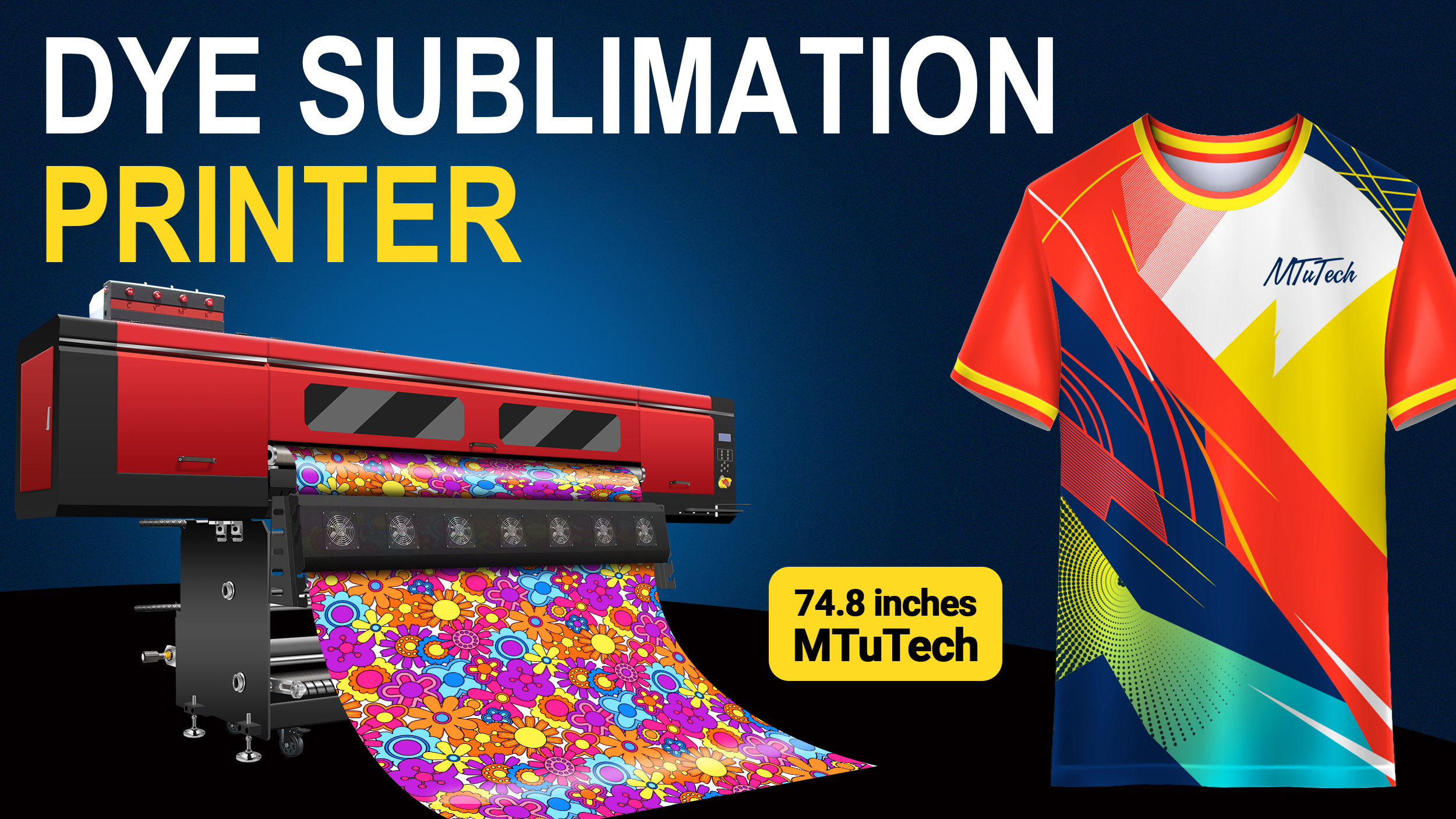
Why Transfer Workflow Matters More Than Printer Specs Alone
Sublimation is a chain process. The printer lays ink onto transfer paper, the paper dries and is handled, then heat and pressure move the dye into polyester fibers or coated blanks. A weak link anywhere in that chain can create dull color, ghosting, paper marks, poor edge detail, panel mismatch, or avoidable waste. That is why a buyer should evaluate the full system rather than the printer alone.
Sportswear production adds extra pressure because garments are judged by color, stretch, wash durability, seam alignment, and repeat orders. A team uniform supplier cannot afford one shade of red in the first batch and a different shade in the reorder. A repeatable transfer workflow protects both quality and margin.
Best-Fit Products for Dye Sublimation
Dye sublimation is strongest on polyester fabrics and polymer-coated hard goods. In sportswear, it is commonly used for jerseys, training tops, cycling wear, activewear panels, leggings, sleeves, flags, scarves, and performance apparel. It is especially useful when customers want full-color all-over graphics, sponsor logos, numbers, patterns, or low minimum order quantities.
It is not the best choice for every garment. Cotton T-shirts are usually better served by DTF printing or DTG depending on the business model. Dark garments may need a different decoration method unless the design is produced through cut-and-sew using printed white polyester fabric. The buyer should match sublimation to the products where it naturally performs well.
| Product | Sublimation fit | Buyer note |
|---|---|---|
| Polyester jerseys | Excellent | Strong for names, numbers, sponsor graphics, and repeat team orders |
| Activewear panels | Excellent | Requires panel control, shrinkage testing, and color approval |
| Cotton T-shirts | Poor | Consider DTF or DTG for cotton-heavy orders |
| Flags and soft signage | Strong | Check fabric show-through, finishing, and roll width |
| Coated hard blanks | Good | Requires compatible coating and press settings |
Choosing Transfer Paper
Transfer paper is not a generic consumable. Paper weight, coating, tack level, drying speed, and release behavior affect color and production stability. Lightweight paper may reduce cost for high-volume work, but it can wrinkle or cockle if ink load is too high. Tacky paper helps with stretchy fabrics because it holds the textile in place during transfer, reducing ghosting. Faster-drying paper can improve throughput but still needs testing with the printer profile and shop humidity.
Buyers should ask for recommended paper types for their fabric mix. A shop printing soccer jerseys may need tackier paper than a shop printing flags. A shop printing high-coverage artwork may need a paper that handles heavy ink without distortion. The correct choice is the one that produces repeatable color and clean transfer under real production conditions.

Color Management and Approval Workflow
Color approval should happen before bulk production. Build a small approved color library for common team colors, brand colors, skin tones, grayscale, and fluorescent-looking designs. Sublimation colors can look different on paper before pressing, so judging the print before transfer is misleading. The approved reference should be the final pressed fabric under consistent lighting.
For repeat orders, save the printer profile, paper type, ink batch notes, heat press settings, fabric roll reference, and approval date. If a team reorders jerseys three months later, those records reduce guesswork. This is where a professional sublimation shop separates itself from a hobby workflow.
Color Approval Checklist
- Press color swatches on the same fabric used for production.
- View samples under neutral lighting, not only shop lighting.
- Record transfer paper, ink, profile, press temperature, time, and pressure.
- Keep an approved physical swatch for repeat customers.
- Recheck color when changing fabric supplier or paper type.
Heat Press and Calendar Settings
The heat transfer stage decides whether the dye fully migrates into the fabric. Too little heat or dwell time can create weak color. Too much heat can cause fabric distortion, scorch marks, paper marks, or shrinkage. Pressure must be consistent across the transfer area. For roll-to-roll sportswear panels, a calendar heat press is often the practical production choice; for small items or hard blanks, a flat press may be enough.
Buyers should test settings on actual fabric before quoting. Polyester knits can stretch or shrink differently. A fabric that works well for training jerseys may behave differently from a thicker hoodie panel. A controlled press log is essential because sublimation defects often look like print problems even when the printer was not the cause.
| Control point | What to record | Why it matters |
|---|---|---|
| Temperature | Actual press or drum temperature | Controls dye migration and color strength |
| Time | Dwell time or calendar speed | Affects transfer completeness and production rate |
| Pressure | Flat press pressure or calendar tension | Reduces ghosting and uneven transfer |
| Fabric behavior | Shrinkage, stretch, and surface marks | Protects panel alignment and garment fit |
| Cooling | Handling after press | Prevents ghosting and transfer movement |
Preventing Ghosting, Banding, and Paper Marks
Ghosting happens when the paper or fabric shifts during or after pressing. It can also happen when a hot transfer is moved too soon. Tacky paper, correct pressure, stable loading, and careful unloading reduce the risk. Banding can come from printer maintenance, feed calibration, profile issues, or paper behavior. Paper marks can come from too much pressure, wrong paper choice, fabric sensitivity, or contaminated surfaces.
A production team should diagnose defects by stage. If the printed paper already shows banding, inspect the printer and file setup. If the paper looks clean but the garment shows a double edge, inspect pressing and handling. If color is weak across the whole piece, check ink load, paper release, temperature, time, and fabric content.
Cut-and-Sew Sportswear Production
For premium sportswear, many shops print panels before sewing. This enables full-coverage artwork without white gaps at seams, but it demands planning. Artwork must include bleed, panel markers, seam allowance, and orientation checks. Fabric shrinkage should be measured before final pattern scaling. If the press changes panel dimensions, sewing accuracy suffers.
Buyers evaluating a dye sublimation printer for cut-and-sew should ask how the printer fits the full production line: RIP workflow, nesting, paper width, roll handling, calendar press width, cutting table, sewing capacity, and inspection. A fast printer will not solve a bottleneck at cutting or sewing.

Dye Sublimation vs Direct to Fabric
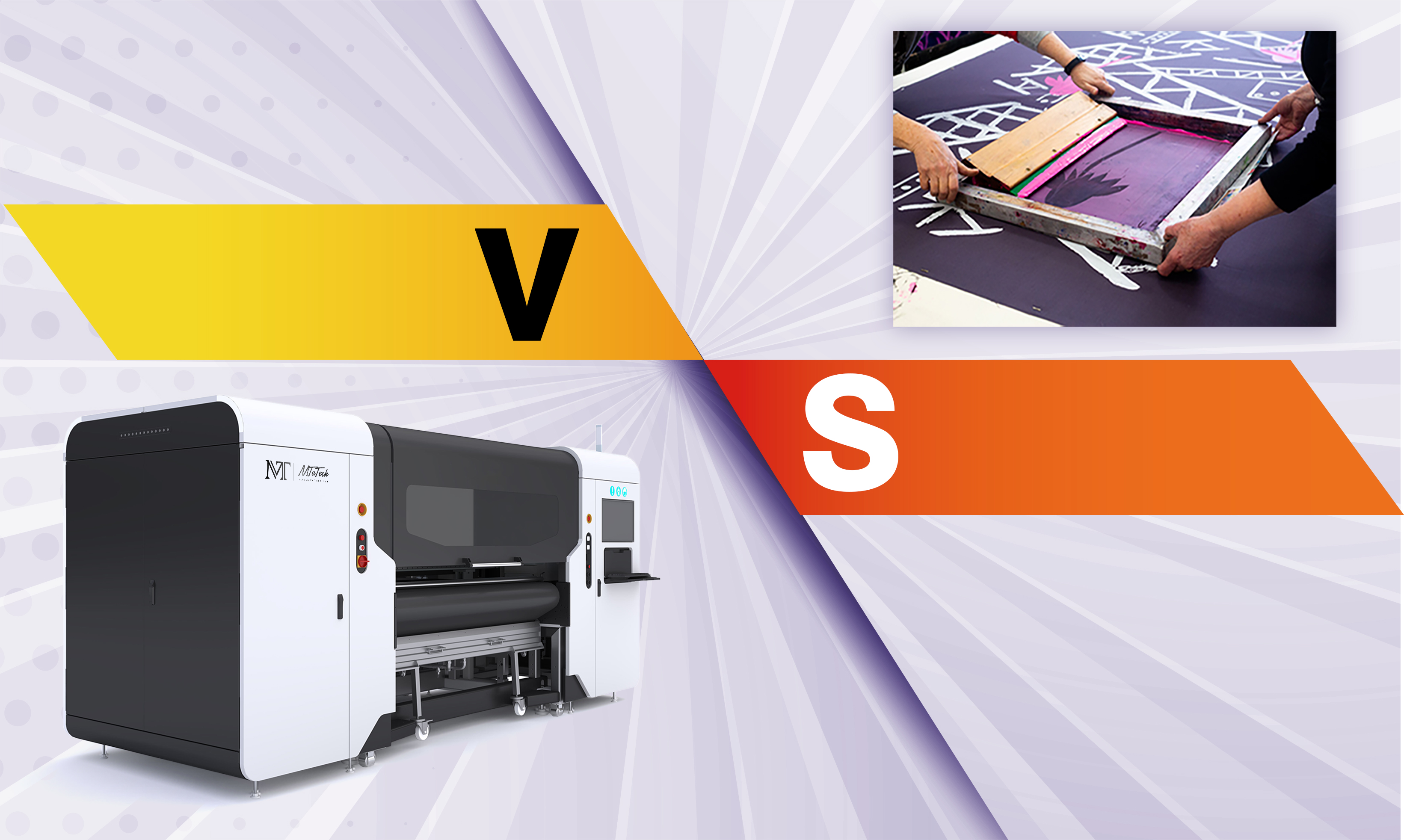
Both processes can serve textile businesses, but they solve different problems. Sublimation is excellent for polyester performance apparel and soft signage where bright color and wash durability are needed. Direct to fabric printing can be better for a wider range of natural and blended fabrics, depending on ink chemistry and finishing. A buyer serving polyester sportswear may choose sublimation first. A buyer serving cotton, linen, home textiles, or broader fabric types should also review MTuTech’s direct to fabric printer options.
The decision should follow the product mix. If most revenue comes from team jerseys and activewear, sublimation is hard to beat. If the shop wants curtains, cotton fabric, décor textiles, or fabric rolls for multiple fiber types, direct to fabric may deserve a stronger look.
Internal MTuTech Links for the Buyer Journey
Start with the Dye Sublimation Printer product page for machine options. For adjacent apparel workflows, compare the Direct to Fabric Printer, DTG Printer, and DTF Printer pages. Related blog reading includes the MTuTech guide on direct to fabric vs dye sublimation printer and the guide on reducing ink consumption on dye sublimation printers.
Buying Questions to Ask MTuTech
- Which printer width and head configuration fits my monthly sportswear volume?
- Which transfer paper types are recommended for my fabrics and artwork coverage?
- What color management workflow should I use for team and brand colors?
- How should I pair the printer with a calendar heat press or flat press?
- What maintenance routine protects nozzles and repeat color output?
- Which consumables should stay in stock for uninterrupted production?
Final Buyer Guidance
A dye sublimation printer is a strong production tool when the shop builds a controlled transfer workflow around it. For sportswear, the winning setup combines the right printer, paper, ink, fabric, heat press settings, color approval process, and operator routine. Buyers should request sample testing based on real jerseys, panels, and artwork rather than judging by generic demo output. When the workflow is documented, sublimation can support bright color, durable prints, repeat team orders, and profitable short-run customization.
FAQ
Is dye sublimation good for sportswear?
Yes. It is one of the strongest methods for polyester jerseys, activewear, and performance apparel because the dye becomes part of the fiber.
Can dye sublimation print on cotton?
Standard sublimation is not a good fit for cotton. For cotton-heavy apparel, compare MTuTech’s DTF printer and DTG printer options.
What causes ghosting in sublimation?
Ghosting usually comes from paper or fabric movement during or after pressing. Tacky paper, stable pressure, correct handling, and proper cooling reduce the risk.
Which page should I visit next?
Review the Dye Sublimation Printer page, then compare direct to fabric if your product mix includes non-polyester textiles.
Production Room Conditions and Paper Storage
Dye sublimation work is sensitive to room conditions because transfer paper absorbs and releases moisture. A roll that sits open in a humid room can behave differently from a fresh roll. It may cockle, dry more slowly, or feed less consistently. In a dry room, static can create handling problems. A buyer planning sportswear production should think about storage shelves, sealed packaging, humidity control, and first-in-first-out inventory before production volume increases.
Paper should be stored upright or according to supplier guidance, protected from dust, and allowed to acclimate before critical jobs. Operators should avoid touching the coated print area with bare hands because oils and moisture can affect transfer quality. These habits may sound basic, but they matter when a shop is trying to hit the same team color across multiple batches. The printer can only perform consistently if the media entering it is consistent.
Panel Layout, Nesting, and Fabric Shrinkage
Sportswear profit depends heavily on layout. Poor nesting wastes paper and fabric. Tight nesting can save material, but it may make cutting slower or increase the risk of mixing sizes. A good production file should balance material efficiency with clear operator handling. Add labels, size marks, orientation marks, and order identifiers where they do not affect the final garment. This reduces sorting mistakes after pressing and cutting.
Fabric shrinkage deserves a formal test. Press a measured fabric piece using the intended production setting, then measure it again. Repeat the test on the main fabrics used for jerseys, sleeves, shorts, and panels. If one fabric shrinks more than another, artwork and pattern scaling may need adjustment. Without this step, a beautiful print can still become a sewing problem because panels no longer match the pattern accurately.
Quality Control for Repeat Team Orders
Teamwear buyers reorder. That is good for revenue, but it also creates color and sizing expectations. Keep a production record for every approved team job: customer name, artwork version, fabric type, paper type, ICC profile, printer mode, heat press setting, approval swatch, and final garment photos. When the customer returns, the shop can reproduce the workflow instead of rebuilding it from memory.
Inspection should include color, sharpness, registration, panel orientation, stains, ghosting, and fabric distortion. For garments, inspect before sewing when possible and again after sewing. Catching a panel defect before assembly is cheaper than discovering it on a finished jersey. For high-value team orders, keep one approved sample or swatch in a physical file. A phone photo is useful, but a pressed fabric reference is more reliable for comparing repeat output.
When to Upgrade Capacity
A shop should consider a larger or faster dye sublimation setup when existing bottlenecks are measured clearly. If the printer is always waiting for artwork approval, a faster printer will not solve the problem. If the heat press is the bottleneck, printer speed may simply create more printed paper waiting in queue. If cutting and sewing are overloaded, the production plan needs more finishing capacity before more print capacity.
The best upgrade decision comes from a weekly workflow log. Track meters printed, jobs pressed, pieces cut, defects, overtime, and late orders. When the data shows that print output is the true constraint, a higher-capacity MTuTech dye sublimation printer can be evaluated with confidence. Until then, workflow cleanup may produce a better return than adding speed.
Sample Order Workflow for a New Sportswear Customer
When a new team or apparel brand approaches the shop, begin with a paid sample workflow instead of jumping straight to bulk production. Collect the artwork, garment type, fabric preference, size range, player-name requirements, sponsor logos, deadline, and reorder expectation. Then produce a small test panel or sample garment using the exact fabric and transfer setup planned for production. The customer should approve color, logo size, number placement, fabric feel, and finishing before the bulk run starts.
This sample process protects both sides. The buyer sees a real result, not a screen mockup. The shop confirms paper behavior, press settings, shrinkage, and sewing alignment before material is committed. If the customer changes color or logo placement after the sample, the change is documented and priced. This is especially important for clubs, schools, and event teams where multiple decision makers may review the design.
For repeat customers, turn the approved sample into a production standard. Keep the pressed swatch, artwork version, customer approval note, and settings record together. The next reorder becomes faster because the shop is repeating a known recipe instead of re-solving the job from scratch.
Margin Protection for Sublimation Shops
Healthy margins come from controlling hidden labor. A dye sublimation printer may use modest ink per garment, but file cleanup, paper waste, press setup, cutting, sewing, packing, and reprints can quietly reduce profit. Build quotes around the full workflow. Charge for personalization, rush production, complex sponsor layouts, and design changes after approval. Do not let the low visible consumable cost make the job look cheaper than it really is.
Track rejected panels by cause. If most waste comes from ghosting, improve press handling. If it comes from wrong names or numbers, improve proofing. If it comes from dull color, revisit paper, profile, fabric, and heat settings. The best sublimation shops improve margin by reducing repeat defects, not by cutting corners on paper or maintenance.
Finally, review every new fabric with one controlled wash test before promising repeat team production at scale.