


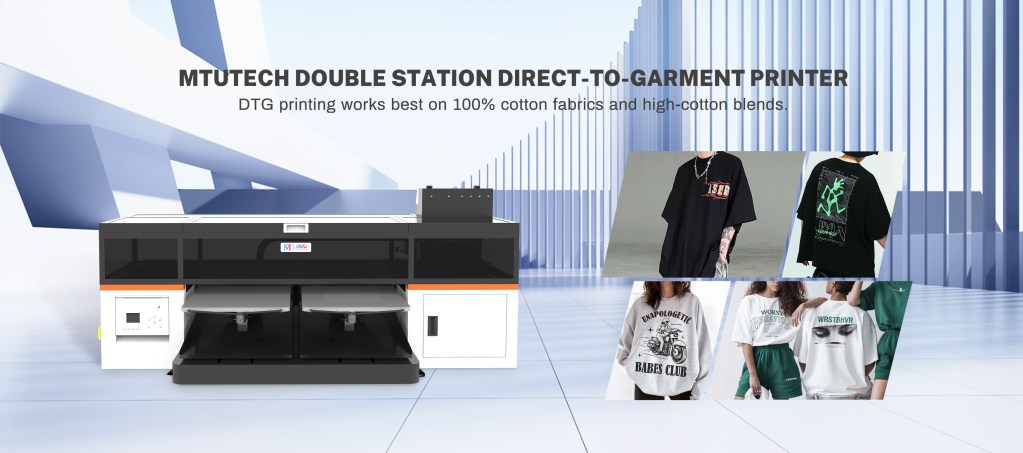
Introduction
Direct-to-Garment (DTG) printing has revolutionized the apparel industry, allowing for vibrant, high-quality designs to be printed directly onto fabrics. If you’ve ever wondered what goes on behind the curtain of a DTG print shop, you’re in the right place. In this article, we’ll explore the equipment, workflow, and setup required for a successful DTG printing operation, providing insights that could benefit both veterans and newcomers in the screen-printing world.
Understanding DTG Printing
Before diving into the intricacies of a DTG print shop, it’s essential to understand what DTG printing is. This printing method uses specialized inkjet technology to print designs onto textiles, primarily cotton fabrics. Unlike traditional screen printing, DTG allows for intricate designs and a wide array of colors without the need for multiple screens and setups.
Essential Equipment of a DTG Print Shop
1. DTG Printers
The most crucial piece of equipment in a DTG print shop is undoubtedly the DTG printer itself. These printers range in quality and price, and selecting the right model is crucial for producing high-quality prints. Key factors to consider include:
- Print Head Technology: Different printers use varying technologies, impacting the quality of the prints.
- Ink Type: Water-based inks are eco-friendly and deliver vibrant colors but may require more maintenance.
- Print Speed: Depending on your workload, the speed of the printer can significantly affect productivity.
- Cost: Invest in a reliable machine, as it can impact your print quality and workflow efficiency.
2. Pre-Treatment Machine
Before printing, fabrics often need to be pre-treated to ensure that the ink adheres properly. A pre-treatment machine automates this process, spraying a coating onto the fabric that helps the ink bond effectively, resulting in brighter colors and enhanced durability. Features to look for in a pre-treatment machine include:
- Adjustable Settings: Being able to adjust the amount of pre-treatment based on fabric type is crucial.
- Ease of Use: User-friendly interfaces can significantly speed up the pre-treatment process.
3. Heat Press
A heat press is essential for curing the prints and ensuring that the ink adheres to the fabric once the printing process is complete. A quality heat press should have features such as:
- Consistent Temperature Control: This ensures even curing, preventing issues such as fading or peeling.
- Pressure Adjustments: Different fabrics might require different levels of pressure.
4. Computers and Software
A computer equipped with the right software is crucial for designing and managing prints. Common software used includes:
- Graphic Design Software: Tools like Adobe Illustrator or CorelDRAW help create stunning designs.
- Printer Driver Software: Each DTG printer has specific software requirements for optimal performance.
DTG Printing Workflow: Step-by-Step
1. Design Preparation
The first step in the workflow is preparing the design. This includes creating or editing graphics in design software and ensuring that the design size correlates with the garment size.
2. Pre-Treatment
Once the design is ready, the garment undergoes pre-treatment. This could either be done manually or with an automated pre-treatment machine. Proper application is crucial for achieving vivid colors.
3. Printing
With the garment pre-treated, it’s time for printing. The fabric is loaded into the DTG printer, and the design is sent from the computer. The printer deposits ink directly onto the fabric in a series of passes, layering until the desired color depth is achieved.
4. Curing
After printing, the garment must be cured using a heat press to set the ink. This step is pivotal, as it ensures that the prints will withstand washing and wearing.
5. Quality Control
A rigorous quality control process follows where each printed piece is examined for any defects or inconsistencies. This is where a keen eye can make all the difference in maintaining quality standards.
6. Finishing Touches
Finally, the garments are folded, packed, and prepared for delivery or retail. Creating an appealing presentation can significantly enhance the customer experience.
Setting Up a DTG Print Shop
Setting up a DTG print shop involves more than just purchasing equipment. Careful planning and organization can significantly impact your production efficiency. Here’s a guide to setting up your shop:
1. Space Planning
Select a location that provides adequate space for workflow movement. Designate areas for:
- Receiving and storing materials
- Design and pre-treatment
- Printing
- Curing and finishing
2. Electrical and Water Needs
Ensure that your workspace has suitable electrical configurations to support your equipment. For pre-treatment machines, easy access to water is also necessary.
3. Ventilation
DTG printing can produce fumes, so proper ventilation is essential to maintain a healthy working environment. Installing a ventilation system can be beneficial.
4. Workflow Management
Creating an organized workflow can save time and increase efficiency. Consider using a task management system to help monitor the progress of orders from design to delivery.
Benefits of DTG Printing
DTG printing offers several key advantages over traditional printing methods:
- Versatility: DTG can print a wide variety of designs, including complex images and gradients.
- Low Minimum Orders: Unlike screen printing, DTG is ideal for small runs, making it perfect for custom orders.
- Eco-Friendly Options: Most DTG printers use water-based inks that are more environmentally friendly.
Conclusion
Running a DTG print shop involves a blend of art, technology, and management. From selecting the right equipment to optimizing your workflow, understanding the nuances of each step can make all the difference in achieving high-quality results. Whether you’re just starting or looking to enhance your established operations, the insights provided here can guide you on your journey. For those looking to invest in this innovative printing method, consider visiting Explore our high-quality DTG printers here for a comprehensive selection of equipment that meets your needs.
FAQ
What types of fabrics can be printed using DTG?
DTG printing works best on cotton or cotton-blend fabrics. However, advances have been made to allow for printing on other fabric types, provided they are pre-treated properly.
How durable are DTG prints compared to traditional screen printing?
DTG prints can be highly durable when properly cured and maintained. Compared to traditional screen printing, DTG prints can provide similar longevity, especially if washed correctly.
Is DTG printing suitable for large production runs?
While DTG is excellent for small to medium runs and custom designs, it may not be as cost-effective as screen printing for very large production runs due to the slower printing speed.
What are the common challenges faced in DTG printing?
Common challenges include maintenance of the printer, ensuring proper pre-treatment application, and managing color consistency. Regular maintenance can mitigate many of these issues.
Can I print any design on a DTG printer?
While DTG printers can handle intricate designs, it is essential to consider the quality and resolution of your artwork. Higher-quality files typically yield better print results.
How This DTG Printer Topic Helps Buyers Choose the Right Printer
This guide is most useful for buyers researching dtg printer and comparing real production choices before speaking with a supplier. The practical decision is not only the machine name. Buyers also need to understand material compatibility, workflow, operator skill, ink behavior, finishing steps, maintenance, and the type of jobs the printer can produce profitably.
What to Check Before Buying
- Confirm the target products, materials, and daily production volume.
- Ask for sample prints that match real customer work, not only perfect demo pieces.
- Compare ink, media, labor, maintenance, training, and waste before calculating ROI.
- Check service support, spare parts, installation training, and operator documentation.
- Review whether the printer fits your workspace, power, ventilation, and finishing workflow.
Best-Fit Applications
This topic is relevant for custom printing, short-run production, branded product decoration, and businesses that need repeatable output. The best-fit applications usually depend on substrate, artwork detail, color expectations, durability requirements, and order size. A buyer should list the top five products they want to sell, then test those products before scaling production.
| Decision area | Why it matters | What to verify |
|---|---|---|
| Application fit | Prevents buying a machine for the wrong product mix | Test real customer products and materials |
| Workflow | Controls speed, labor, and repeatability | Map artwork, printing, finishing, inspection, and packing |
| Running cost | Protects profit margin | Include ink, media, waste, labor, parts, and downtime |
| Support | Reduces risk after installation | Ask about training, parts, and troubleshooting response |
Buyer FAQ
What keyword should this article help rank for?
The primary keyword target is dtg printer. Supporting terms should include application phrases, troubleshooting phrases, pricing phrases, and comparison phrases related to dtg printer.
Which MTuTech product page should readers visit next?
The strongest next step is the DTG Printer page because it connects the educational topic to a commercial product category.
How can a print shop use this information?
A print shop can use this guide to build a shortlist of applications, estimate job pricing, prepare sample tests, and ask better questions before buying equipment. That makes the article useful for search visitors and for sales conversations.
Recommended MTuTech Resources
Use these related pages to compare equipment choices and continue researching the right production setup.
- DTG Printer – compare machine options, applications, and production fit.
- DTF Printer – compare machine options, applications, and production fit.
- Direct to fabric printer – compare machine options, applications, and production fit.
- Dye sublimation printer – compare machine options, applications, and production fit.
- DTG Printer articles – read more guides in this topic cluster.
- MTuTech Blog – browse more UV, DTF, textile, and production workflow resources.